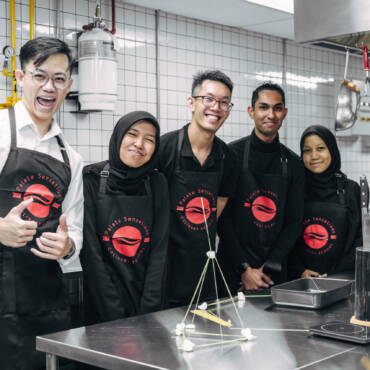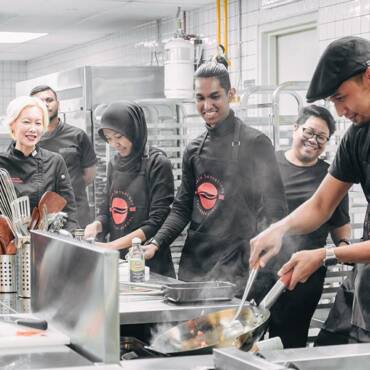
Every event planner eventually meets the same cheerful contradiction. One colleague wants a scoreboard, a countdown and the glory of victory. Another hears the word “competition” and suddenly becomes extremely interested in an urgent email. Put both in the same team-building brief, and choosing an activity can feel harder than cooking lunch for forty people.
The short answer is simple: choose a Corporate Activity Challenge when your team enjoys friendly competition, fast decisions and presenting a result under time pressure. Choose a Fun Team Bonding Activity when the priority is relaxed participation, easy conversation and bringing mixed personalities together around a shared cooking or baking experience.
Key takeaways
- A Corporate Activity Challenge suits teams that want high energy, a clear goal, friendly competition and decisions made against the clock.
- Fun Team Bonding suits new, mixed-seniority or less competitive groups that need an inclusive shared experience.
- The challenge format adds tasks such as recipe research, cooking, branding, presentation and chef judging.
- The lighter format centres on cooking or baking together, with learning objectives and short surprise tasks adding structure without making the whole event a contest.
- Cooking experience is not the deciding factor; the better guide is your team’s objective, social energy and comfort with competition.
- Both formats sit within Palate Team Building Malaysia’s no pork, no lard and no alcohol facility policy.
What is the difference between a cooking challenge and fun team bonding?
A corporate cooking challenge uses competition, time pressure, judging and presentation to test how teams organise themselves. Fun team bonding uses shared cooking or baking with lighter structured tasks to make participation comfortable. Both are hands-on; the difference is whether pressure and competition are central to the experience.
| Decision factor | Corporate Activity Challenge | Fun Team Bonding Activity |
|---|---|---|
| Main objective | Decision-making, coordination, creativity and performance under time pressure | Connection, participation, conversation and shared enjoyment |
| Energy level | High and competitive | Lively but lower-pressure |
| Typical activity | Teams research, cook, create a brand or presentation and compete for chef judging | Teams cook or bake together with a selected learning objective and a short surprise task |
| Best fit | Confident, energetic teams that enjoy targets and friendly rivalry | New, mixed-seniority, quieter or socially cautious teams |
| What HR can observe | Delegation, prioritisation, adaptation and communication under pressure | Inclusion, cooperation, confidence and informal relationship-building |
Neither is “better” in every situation. A competitive challenge can energise the right team and overwhelm the wrong one. A relaxed format can help a newly formed department connect, yet feel too gentle for colleagues who have been waiting all year to defend their unofficial office-champion status.
When should you choose a Corporate Activity Challenge?
Choose a Corporate Activity Challenge when your team responds well to clear targets, friendly rivalry and a visible finish line. The format suits groups that want to practise coordination and decision-making while producing, presenting and defending a culinary result under time pressure.
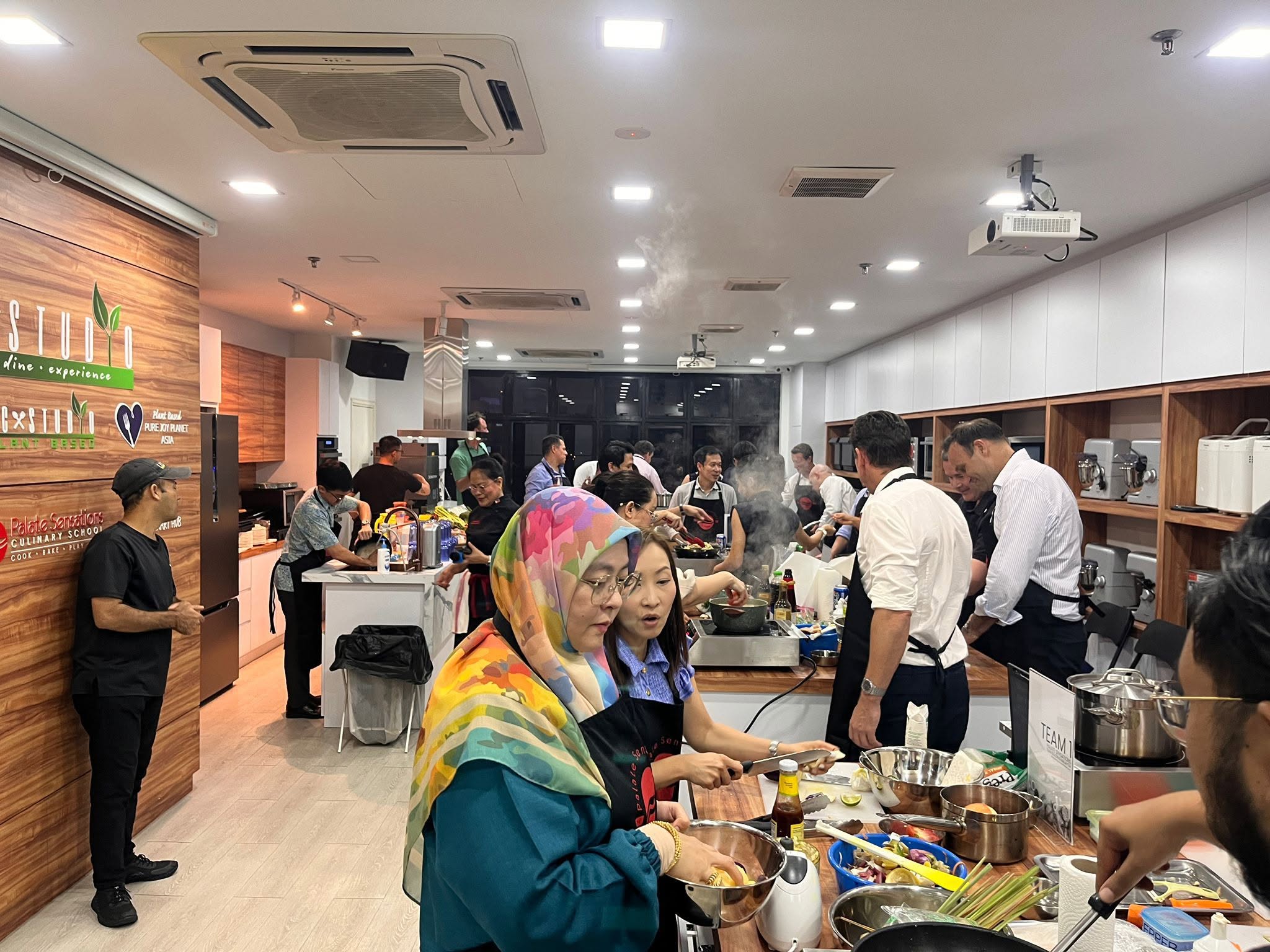
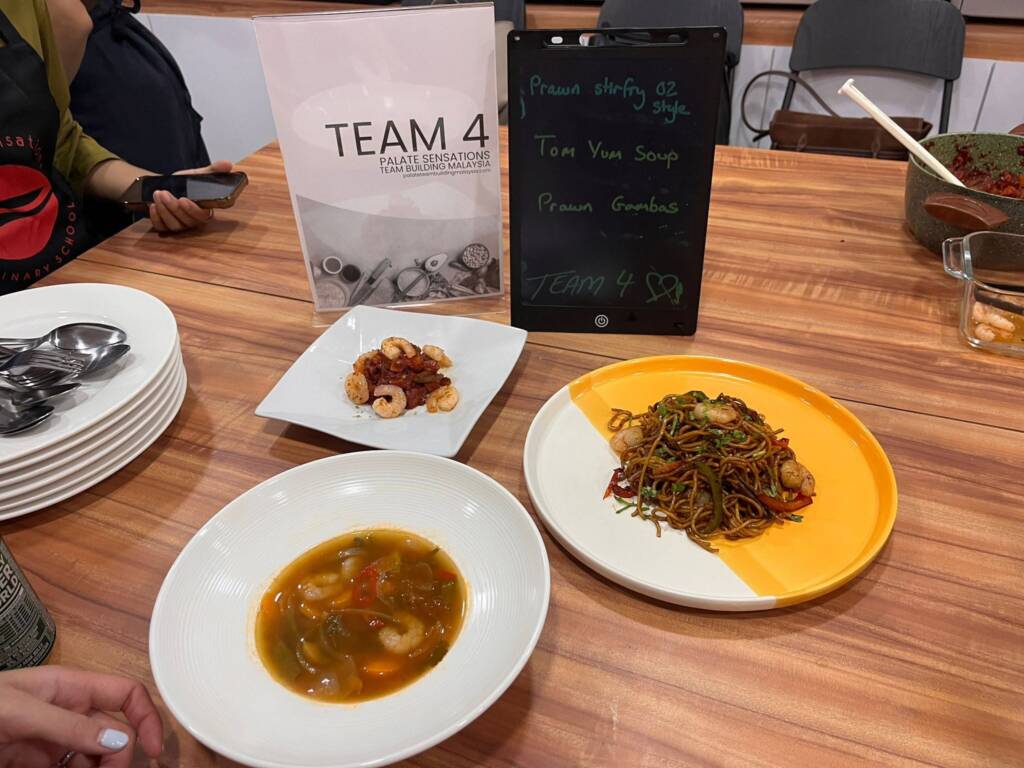
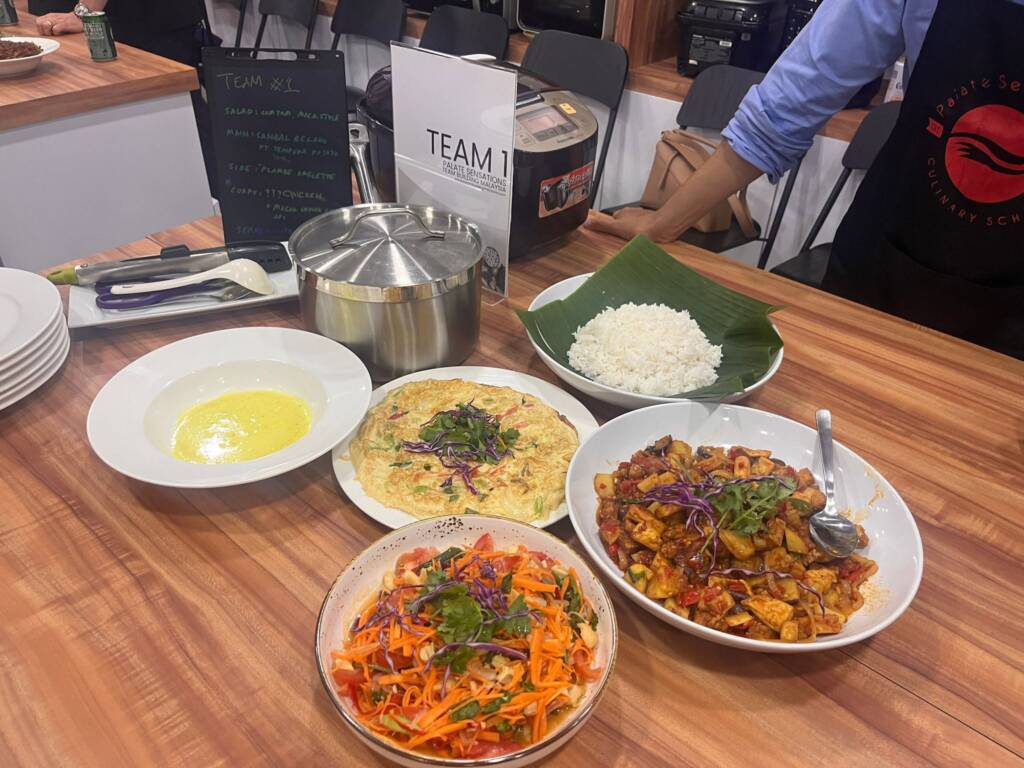
On the current Malaysia programme page, teams may work around food battles involving sushi, laksa, pizza, pies, drinks, rice or noodles. They search for a recipe, cook, design a logo or takeaway concept, present their work and consider how it fits a target market. Chefs judge the result, so flavour matters—but so do teamwork, creativity and the ability to explain the thinking behind the plate.
 This format is particularly useful when you want to see:
- Who turns a broad brief into a workable plan
- How colleagues divide roles without a manager assigning every task
- Whether the team communicates when time becomes tight
- Who notices presentation, audience and detail—not only the cooking
- How people respond when the original plan needs to change
The current programme page describes a session of about three hours, including time for teams to enjoy what they create. Confirm the latest structure for your preferred date and group when you enquire.
When should you choose Fun Team Bonding?
Choose Fun Team Bonding when the priority is connection rather than competition. It works well for teams that need an easy shared activity, especially when colleagues are new to one another, sit at different seniority levels or may feel self-conscious in a highly competitive setting.
The live Malaysia page offers cooking and baking-led formats. In the EAT programme, colleagues prepare a three-course meal and work around a chosen learning objective. In BAKE, they create sweet or savoury items together, with a surprise task adding just enough structure to keep the session purposeful.
The important difference is emotional temperature. People still plan, divide tasks and solve small problems, but the room is not built around winning. Conversation has space to happen. A colleague who would never volunteer for a formal leadership exercise may happily organise the ingredients, rescue a wobbly decoration or make sure everyone gets a turn.
Fun Team Bonding is often the better choice when you want to:
- Help a newly formed team become more comfortable together
- Include different ages, roles and confidence levels
- Give colleagues a shared memory without making performance the focus
- Celebrate a milestone after a demanding period
- Encourage conversation between people who rarely work side by side
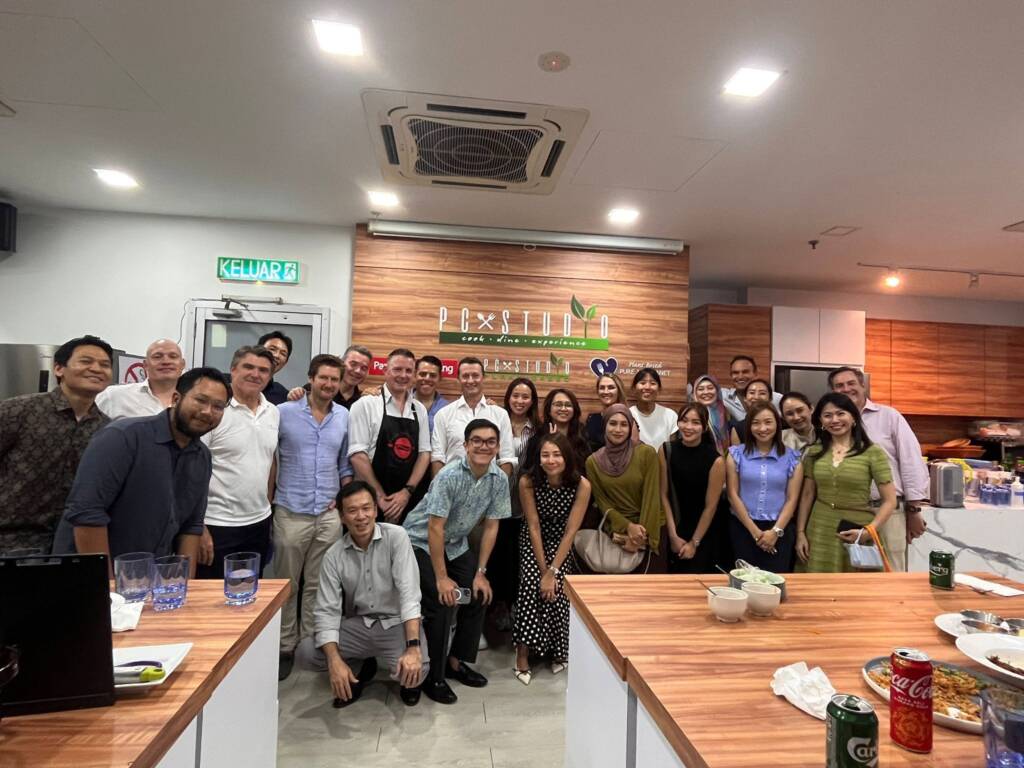 Which format fits different team personalities?
Match the format to how your team participates, not how you hope they will behave. A quiet team does not automatically need louder competition, and an energetic sales department may become restless in a format with no clear challenge. Start with the group’s real social rhythm.
For a new or recently merged team
Begin with Fun Team Bonding. Cooking gives people something concrete to talk about, so conversation does not depend on forced introductions. A relaxed shared task can build familiarity before the group is asked to compete.
For a competitive or target-driven team
The Corporate Activity Challenge is likely the stronger fit. A deadline, judging criteria and final presentation give the group the structure it already enjoys—only this time the quarterly target is a plate of food.
For mixed seniority
Fun Team Bonding can make participation feel more equal because everyone has a practical role. If you choose the challenge, consider how teams are assigned so the usual office hierarchy does not simply reproduce itself at the workstation.
For introverts or reluctant participants
A hands-on format can be more comfortable than an activity built around public speaking because attention rests on the task. Fun Team Bonding usually offers the gentler entry. If the group chooses a challenge, give people varied roles so contribution does not depend only on being the loudest presenter.
For an established team that needs fresh energy
Choose the challenge. Familiar colleagues often enjoy seeing one another in different roles, particularly when the person who never speaks first in meetings turns out to be remarkably decisive with a wok and a ticking clock.
How should HR match the format to the event objective?
Write the desired outcome before choosing the programme. If the objective is observation under pressure, friendly competition or decision-making, start with the Corporate Activity Challenge. If the objective is inclusion, morale, informal connection or celebration, start with Fun Team Bonding.
A useful one-sentence brief looks like this:
We want colleagues from three departments to mix comfortably, share responsibility and leave with a positive story they can talk about afterwards.
That brief points towards Fun Team Bonding. Change it to “We want to observe planning, role allocation and adaptation against a deadline,” and the challenge becomes more appropriate.
If neither standard route quite fits, the Create Your Own Culinary Corporate Event page provides a verified custom-event path. You can also begin at the corporate culinary team-building programmes hub to compare all current Malaysia options.
 What should you prepare before enquiring?
Prepare your approximate headcount, preferred date, event objective and dietary requirements. Add a short description of the team’s personality and how competitive you want the session to feel. This gives the organiser enough context to recommend a format instead of asking you to choose from names alone.
- Headcount: approximate is fine at the first enquiry.
- Date and time window: include alternatives if possible.
- Purpose: bonding, celebration, communication, leadership observation or simply a good day together.
- Team mix: new or established, one department or several, similar or mixed seniority.
- Preferred energy: relaxed and inclusive, or lively and competitive.
- Dietary needs: share relevant requirements in addition to the facility’s no pork, no lard and no alcohol policy.
You do not need to arrive with the whole event designed. That is the point of the enquiry: bring the shape of your team, and let the programme recommendation follow.
Still deciding between challenge and connection?
Tell Palate Team Building Malaysia about your team, and the team can recommend the more suitable format.
Frequently asked questions
- What is the main difference between a cooking challenge and fun team bonding?
- A cooking challenge makes competition, time pressure, presentation and chef judging central to the activity. Fun team bonding focuses on cooking or baking together with lighter structured tasks. Both involve collaboration, but the challenge tests performance under pressure while the fun format prioritises inclusive connection.
- Which format is better for a newly formed team?
- Fun Team Bonding is usually the gentler starting point for a newly formed team. A shared cooking or baking task gives colleagues an easy reason to talk and cooperate without immediately asking them to compete. The final choice should still reflect the group’s confidence and event objective.
- Is a corporate cooking challenge suitable for people who cannot cook?
- Previous cooking experience is not the main requirement. Teams divide responsibilities across planning, preparation, cooking, presentation and communication, so people can contribute in different ways. Participants should follow the facilitator’s instructions and choose roles that match their comfort and ability.
- Which programme is better for introverts?
- Fun Team Bonding generally offers a lower-pressure entry because attention stays on the shared task rather than winning or presenting. Introverts can also enjoy a challenge when teams provide varied roles and do not treat public presentation as the only valuable contribution.
- How long does the Corporate Activity Challenge take?
- The current Malaysia programme page describes the Corporate Activity Challenge as lasting about three hours from start to finish, including time to enjoy the food created. Confirm the latest duration and format for your date and group when you enquire.
- What information should HR provide when enquiring?
- Share your approximate headcount, preferred date, available time, event objective, team mix, preferred level of competition and dietary requirements. This helps Palate Team Building Malaysia recommend the right programme and confirm the current format and logistics.
About the author
Lynette Foo is the founder of Palate Team Building Malaysia and a formally trained culinary professional with a background from Le Cordon Bleu Paris. With over 20 years of experience facilitating corporate team building events for more than 500 multinational and local companies in Malaysia and Singapore, Lynette combines deep culinary expertise with a practical understanding of team dynamics, workplace engagement, and experiential learning.